Apartheid Museum
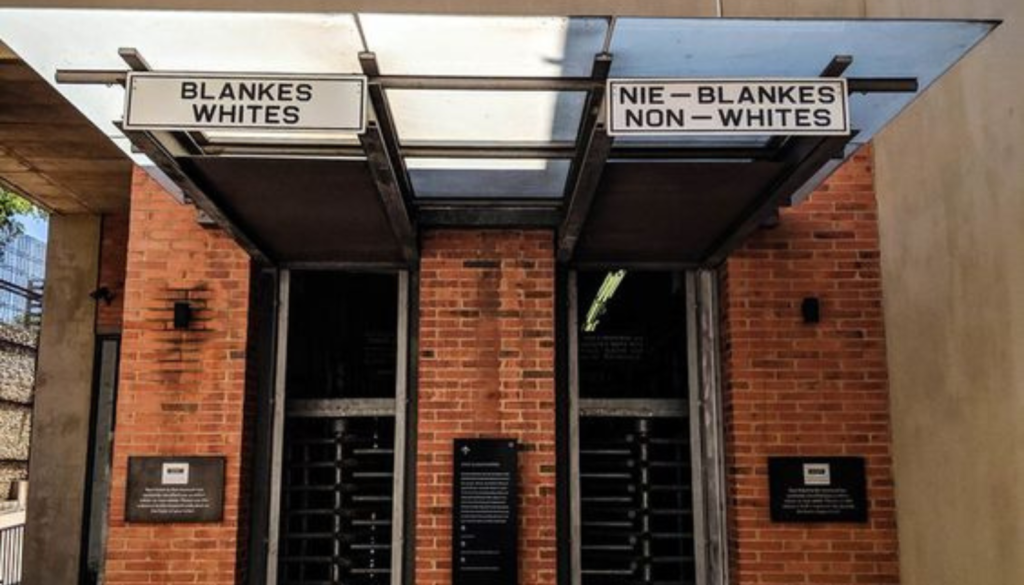
The Apartheid Museum in Johannesburg, South Africa provides a powerful and immersive look into the country’s era of institutionalized racial segregation and discrimination known as apartheid.
Some key points about the history and significance of the Apartheid Museum:
- It opened in 2001, seven years after the end of the apartheid system in 1994 when South Africa held its first democratic elections.
- The museum is located in Johannesburg and occupies a 7-acre area near the city center.
- Its exhibit space covers 5,000 square meters across 22 individual exhibition areas.
- Through multimedia displays, artifacts, photographs, and film footage, the museum vividly chronicles the implementation of oppressive apartheid laws and policies after the National Party came to power in 1948.
- It highlights the institutionalized segregation, forced removals of non-white populations, the Soweto student uprisings, and the widespread civil resistance against the racist regime.
- The museum also documents the international opposition to apartheid, as well as the ultimate transition to democracy led by figures like Nelson Mandela.
- One of its most impactful exhibits is the replica of a pass book all non-whites were forced to carry during apartheid to regulate their movement.
Since opening, the Apartheid Museum has been widely praised for its unflinching examination of this dark chapter in South African history as an educational tool to prevent such injustices from reoccurring.